
Moving is one of the most stressful events you will experience in life. It’s so stressful that it ranks right up there with the death of a loved one. It’s easy to focus on getting a good return on the house you’re selling and a bargain on the house you’re buying. It’s obvious that you’ll need to pack and move your belongings, which will involve boxes, tape, a truck, and someone to do the heavy lifting. I’m sure you know you need to put utilities in your name, have your mail forwarded, and change your address on all your accounts.
A less obvious part of moving, and one that too many people skip, is to declutter before the move. Not only will decluttering before your move make packing easier, but it will also make the move less expensive (less packing material, cheaper moving company costs), shorten the time to pack, make unpacking significantly easier, and give you a true feeling of a fresh start.
Get Prepared
You’ll want to get started with this process as soon as you know a move is in your future. Don’t think that you can leave this until the last minute and do it all at the same time you are packing. Ideally, you’d have months to prepare, but if all you have is a couple of focused weeks, it can make a huge difference.
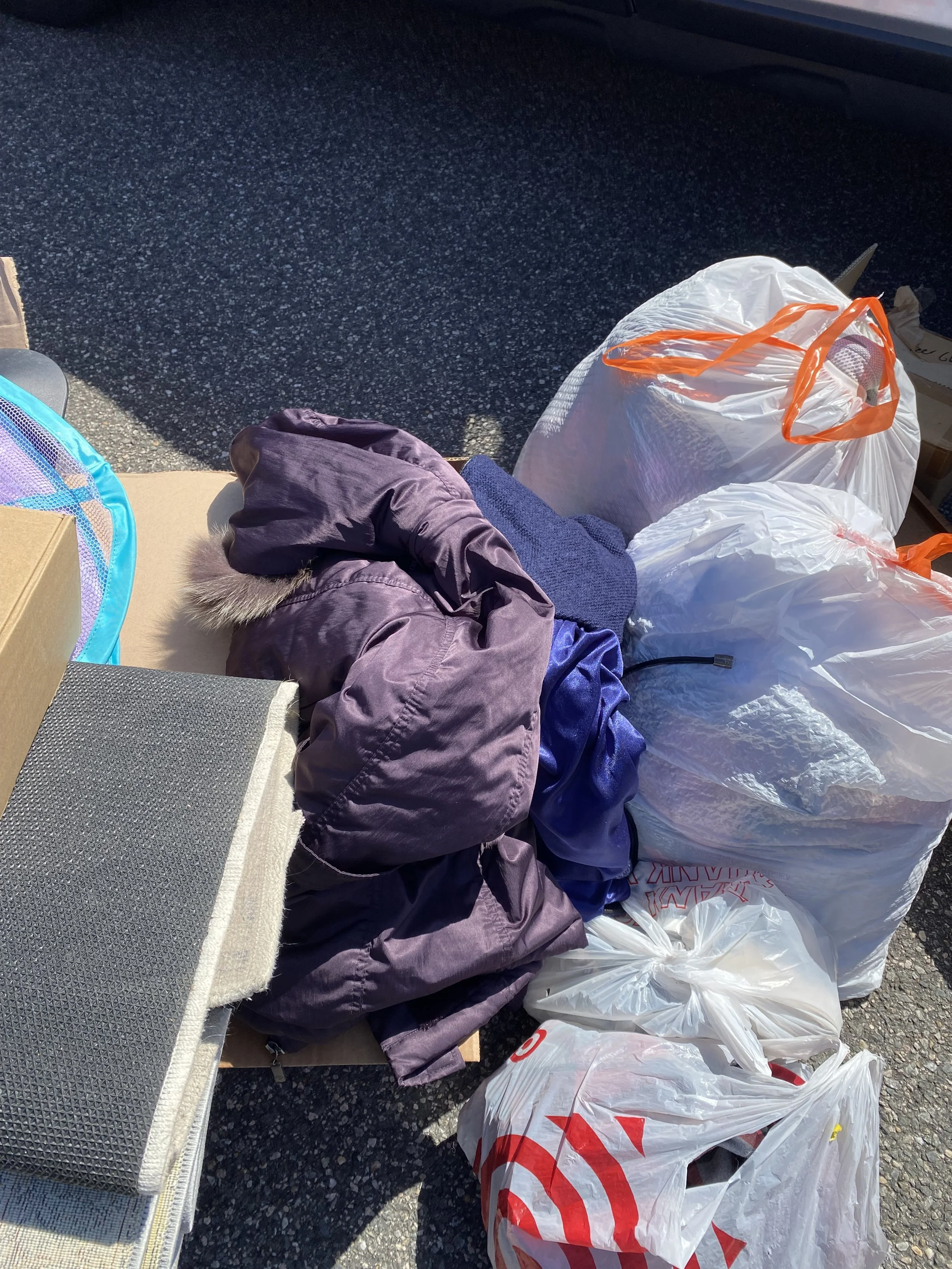
Preparation includes gathering a few simple supplies. You will certainly need many trash bags (black for trash and white for donation), and some boxes for donations. Gloves and a mask will also come in handy as you tackle dirtier storage areas. Colored Post-It notes are handy for marking furniture or large items that will be sold or donated, but that you aren’t ready to move from their spots.
Create some rules in advance to make the process run smoothly. Helpful rules may include letting go of anything that is expired, is broken or worn out, doesn’t fit, or hasn’t been used in over a year. Write the list out and post it somewhere highly visible so that you can refer to it as needed. Having these rules decided in advance means that you can also enlist volunteers to help with the process, and they won’t need as much oversight.
If you are expecting to do a significant amount of decluttering that will include enough to fit in a truckload, consider designating entire rooms or areas for staging. For example, you might put anything that is trash into the garage, anything to be donated by the front door, and anything to be sold against one wall in the dining room.
A note about donations: It’s inconsiderate to drop items for donation that are dirty, damaged, broken, or worn out. Charities and donation centers have to spend significant time and money to sort through items that shouldn’t have been donated in the first place, and then have to find ways to dispose of those items. I know you are donating so that you can be generous to others, so be mindful of only donating items that are in good condition.
Mistakes to Avoid
Packing first and decluttering later
Keeping items you don’t like or use just because they were a gift or you “paid good money for them”
Trying to do all the decluttering the weekend before the movers arrive
Creating a “maybe” pile with no firm plan to tackle it
Not considering the size and layout of your new home and whether things will actually fit
Letting feelings of guilt override logical thinking
Start Decluttering
The first step in any decluttering project is to tackle the low hanging fruit first. Grab a trash bag, a donation bag/box, and your colored Post-Its, and go through each room looking for anything that is obviously not being kept. Use your Post-It notes to mark furniture that you know you won’t be taking with you - using one color for donation and one for trash. Don’t get stuck in the details here; this is just the first pass.
Room-by-Room Guide
Kitchen
Work in a systematic way by starting at one end of the top kitchen cabinets and working your way across. Return along the bottom cabinets. In each cabinet and drawer, declutter items that you haven’t used and don’t have a firm plan to use. Let go of damaged and old pots and pans, single-purpose items for which you no longer have a purpose, and containers with no lids. If you have multiple types of silverware and dishes, choose the ones you like most and let go of the rest. In the pantry, toss all those expired foods and spices, and donate foods you don’t like or want to a local food pantry.
Bathrooms
Expired and left-over medications should be brought to a local pharmacy drop box for proper disposal. Used medication needles can be put in a hard container (such as laundry detergent or cat litter containers) and go out in your regular trash. Half used and abandoned personal care products can be tossed. Unopened personal care items can sometimes be donated. Items that have found themselves squished and dirty in the back of a drawer or bathroom closet go right in the trash. Old and extra towels and sheets can sometimes go to a local animal shelter (check first because they may already have too many).
Closets, Bedrooms & Clothing
From the coat closet, look for coats, hats, gloves, and boots that you didn’t wear in the last appropriate season or that no longer fit well. If they are in good condition, these make for excellent donation items. If the season is right, you might be able to find a local organization doing a donation drive for winter gear.
In the bedroom closets and drawers, be honest with yourself about what is and will be worn. Let go of items that don’t fit or that you haven’t worn in a year. If you keep putting an item on and then deciding not to wear it, you’re not likely to change that pattern any time soon, so let it go. Try on items that you aren’t sure about.
Open and go through your nightstands, under-bed storage, and the top shelves and floors of the closets. These locations are generally great places to declutter at volume because they are where items go to be forgotten completely.
Living Areas and Decor
Start with decor and art pieces that are on walls and display surfaces. Declutter art that you no longer enjoy looking at, that won’t have a place in the new home, or that is more trouble to clean than it’s worth.
Next, go through storage units and cabinets. Maybe those old VHS tapes with no labels won’t make the cut for the move. If you don’t even own a DVD player anymore, those DVDs should be considered for donation. Toss any old mail and unread magazines; if you haven’t read them yet, you won’t read them at the new home either.
Paper & Photos
These may take more time than you have available. If you do have the time, shred old bank statements, and bills. Old manuals and outdated warranty files can be tossed (manuals can almost always be found online). Vital life documents (marriage and birth certificates, wills, etc.) should be kept as original, but most other things can be scanned and kept only in digital format.
For photos, toss bad images or duplicates. If you have no idea who the people are in a photo, there’s no need to keep it. For the ones you do want to keep, gather them all together and consider taking them to a digitizing company to reduce their footprint. You don’t have to go 100% digital, but keeping just the best ones in print form and the rest digital makes managing and storing them a lot easier.
Sentimental Items
Are you keeping the items because they are meaningful to you? If you are saving them because you think they should be meaningful to someone else, or because someone else thinks they should be meaningful to you, reconsider keeping them. If you think someone else might want an item for themselves, send them a picture now and ask if they want it. If they say yes, give them a firm deadline by which they must take possession, and let them know that you’ll dispose of it after that deadline. Then follow through!
Storage Areas
These areas will often have a lot of things that won’t be moved because they are the places that hold most of your “just in case” and “I’m not ready to get rid of this yet” items. Honestly assess whether you need to keep (and move) tools, holiday decor, old electronics, and unused furniture. Do you really want to move a bunch of unused stuff from one storage area to another?
Exit Strategy
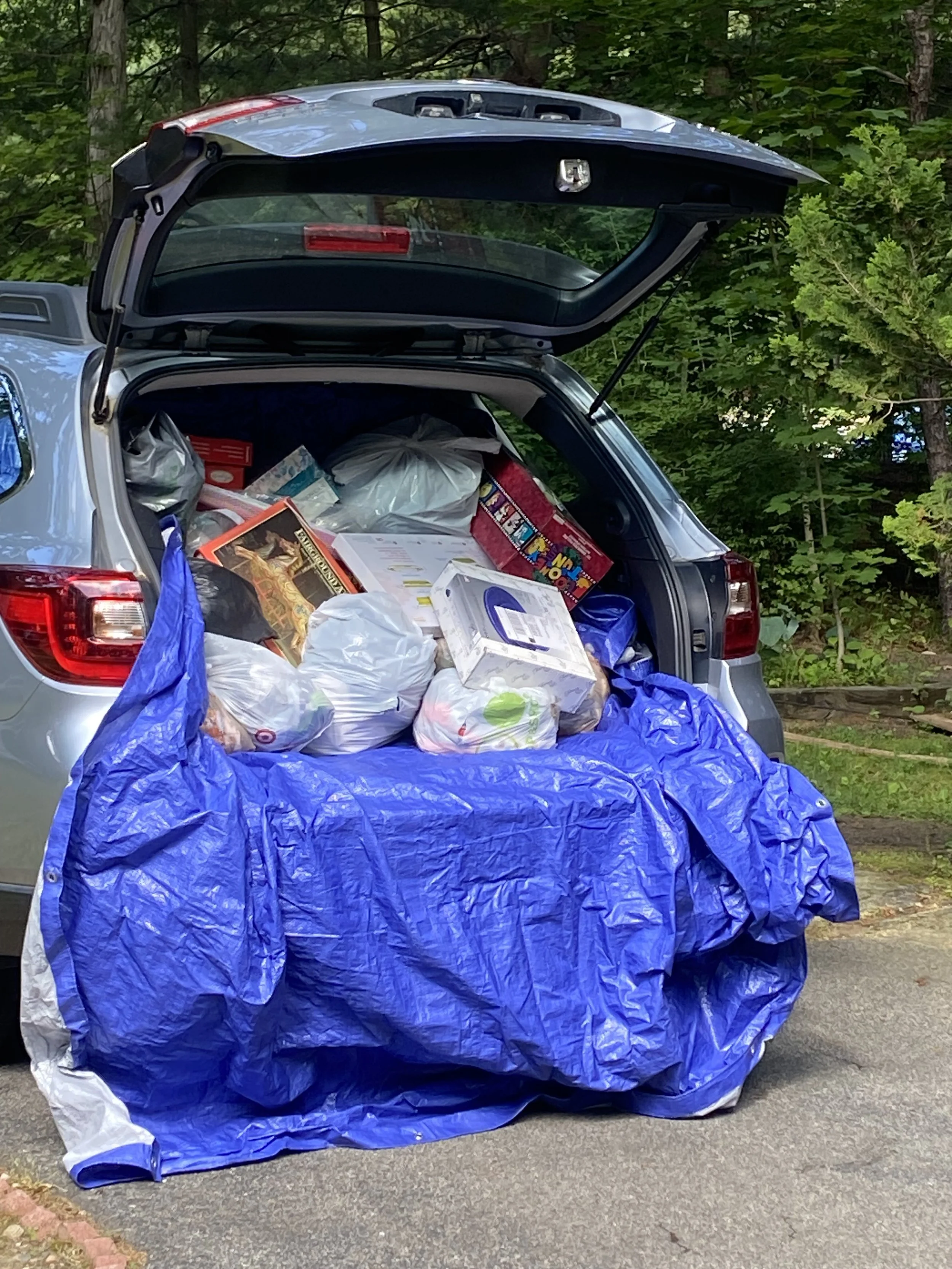
My hope is that you’ll get the items you’ve chosen not to keep out of your house as fast as possible. Doing this prevents second-guessing and eliminates the possibility of you running out of time and packing them out of desperation.
Junk haulers are an amazing resource. These days, many companies will take trash, recycling, and donations all in one haul. This will save you a lot of hassle and trips to various locations. It also saves you from having to do the heavy lifting.
Hazardous items must be disposed of properly, and most junk haulers won’t take them. Oils and combustible items should be taken to a hazardous waste location. Check your local town or city website for resources. Some towns hold occasional hazardous waste days that you can take advantage of.
Latex paints can be opened and allowed to dry. Once dry, they can go right into the regular trash.
Donate usable clothing, household goods, furniture, and decor to local charities, shelters, or in a Buy Nothing social media group. You can also post a “curb alert” on Nextdoor, Facebook, or Craigslist, and interested individuals can come pick the items up from the curb. Some charities, such as Salvation Army and Habitat for Humanity Restore, offer pickup of donations. Most people don’t itemize their taxes, but if you are one of the few who do, make sure to get receipts for your charity donations.
Medications should be disposed of in a bin at your local pharmacy, at your local police station, or at a drug takeback event. Don’t flush medications.
If you have specific friends and family who would appreciate some items, put them in a box or bag and clearly label them for the individual. Immediately make a plan to get these items to the recipients.
If you have the time and inclination to spend photographing, posting, and coordinating the sale of items, start listing them on sales sites. Local consignment stores could also be a good resource for selling your items.

Decluttering before you pack is something most people don’t think about until it’s too late, if at all. By thinking and planning ahead, you can save money, reduce stress, and give yourself the chance to begin life in your new home with only the belongings that support the life you want to live there.
Resist the urge to pack it all and figure it out later! You don’t have to do it perfectly, but every little bit will help. A new home is a fresh start, so don’t take your clutter into it.
